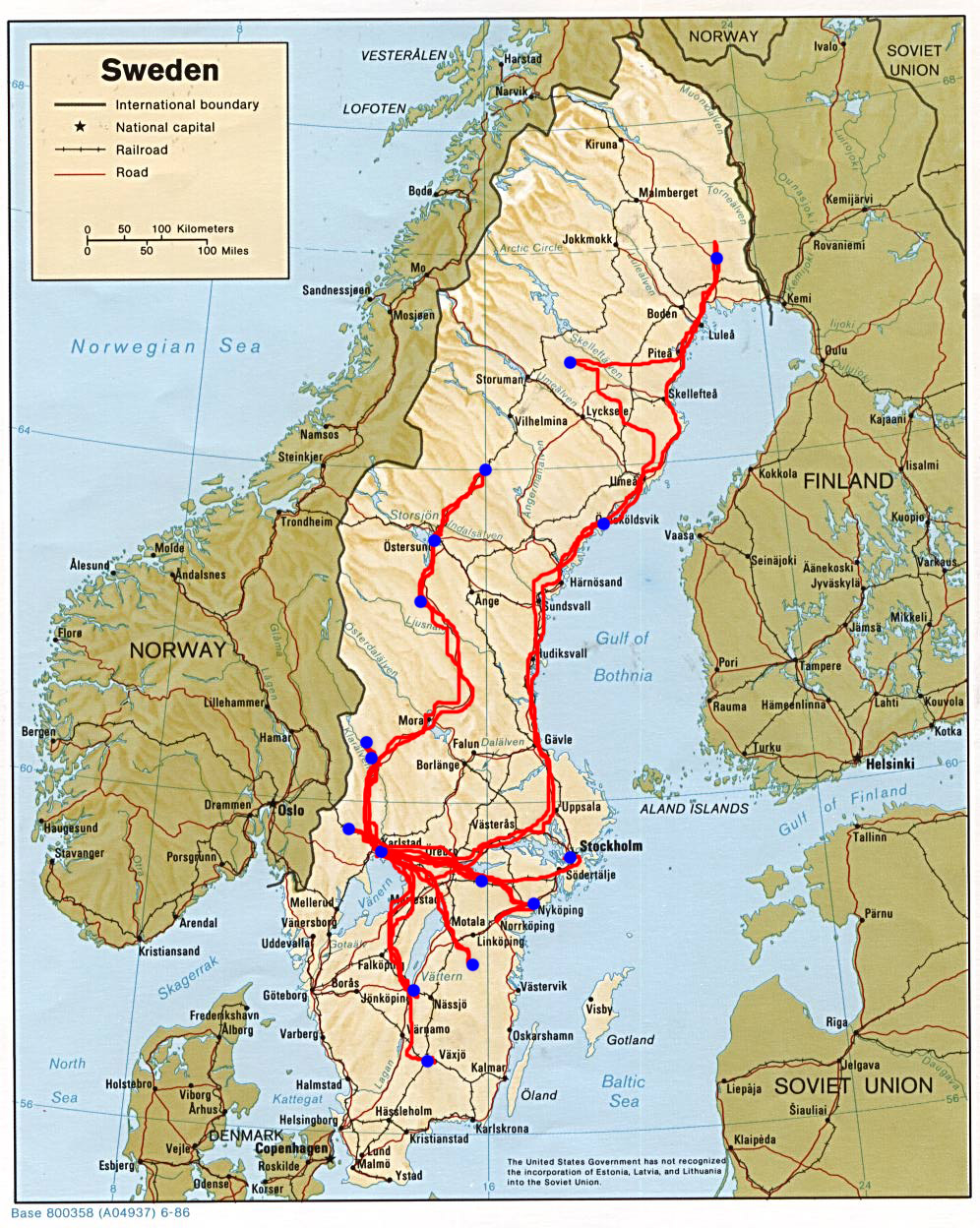
So the big field season commenced in mid May. So far I have been to Vingåker, Växjö, Överkalix and Malå with various visits to Stockholm, Nyköping, Örebro, Karlstad, Umeå, Örnsköldsvik and Åmot. The next stop is Östersund on Monday.
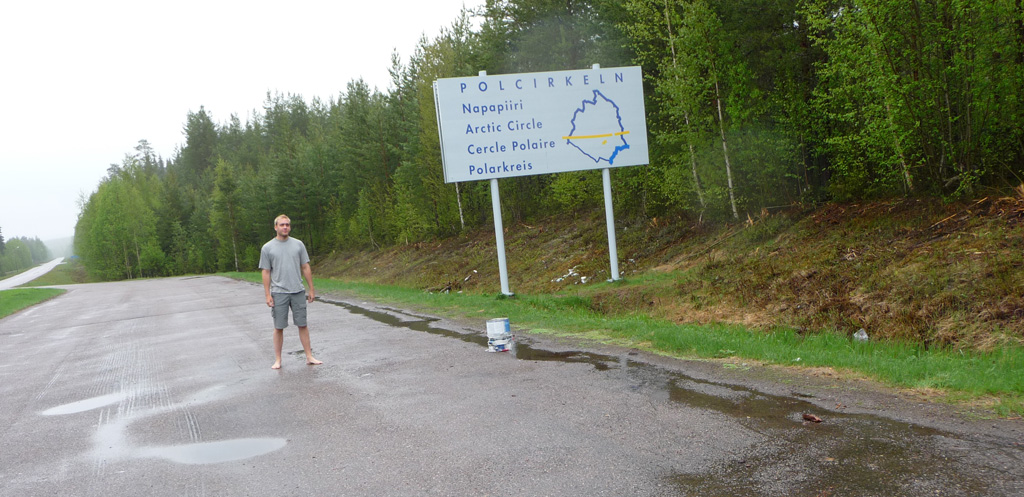
 In Överkalix I worked north of the Arctic circle. It was around10 June so the midnight sun was approaching but unfortunately it was raining during my stay there. I managed to get a glimpse of the setting sun at 23:40 up on a mountain top north-west of Malå, which was the closest I got to midnight sun. Needless to say it does not get dark during night up there, a stark contrast to winters where in some places villagers do not see the sun at all. When I worked with a helicopter census of moose in Junosuando in december one and a half years ago we did not see the sun from the village. I only glimpsed it from up in the chopper 200 meters up in the air.
Out working in the nature of Överkalix one day I notedthe following: “I am standing on the edge of a steep mountain, huge blocks of rock surrounding me. The trees, pines, spruces and birches have peculiar shapes and thick branches. This is a place where logging machines and chainsaws have never reached. Some of these beauties are hundreds of years old. During the lifetime of many women and men these trees have witnessed the vastness of the northern taiga landscape; a landscape of change.”
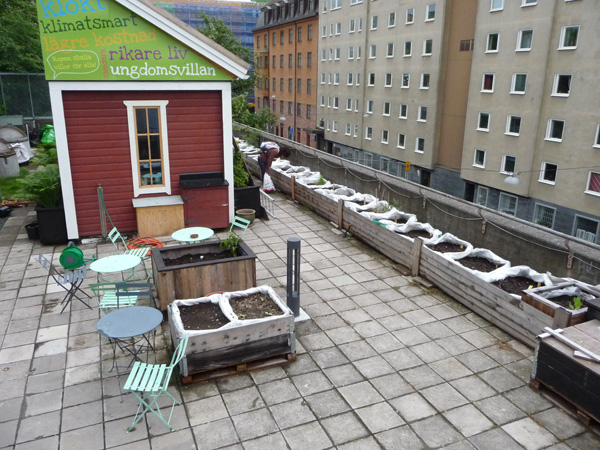
During a visit to Stockholm me and a friend visited what appears to be th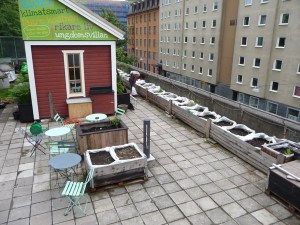 e only rooftop gardening project in the city. I have contacted just about all people who should know about these projects and the only one that I came to hear of was the one created by 100Hus in Hornstull.
For quite some time I have been investigating the possibility of creating a rooftop gardening project in Karlstad and the visit to the project at Hornstull gave me some ideas for practical solutions.
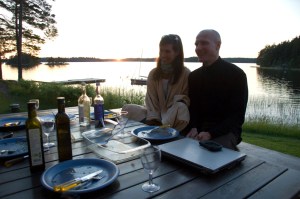 In the past few days I have been in Nyköping, Karlstad and Åmot for various things. In Nyköping my friends Patricia and Christian got married in a very vegan-, eco- and HBT-friendly way. It warms my heart knowing that some people are ready to go to great lenghts in order to not only save the planet but at the same time care for its people. Apart from the awesome company, the delicious vegan food, kayaking tour in the lake, sauna bath and a couple of ice cold baths in the lake made these days more than memorable.
The week came to an end with a terrific midsummer party in Åmot with loads of vegetarian food in all shapes and forms.

 Between 24 to 28 October I went to Doñana National Park in southern Spain to meet Antonio Rivas of the Iberian lynx Ex-situ Conservation Programme El Acebuche and Guillermo Lopez from the Lynx Life project. Both projects are fundamental in saving the Iberian lynx.
 Working intesively with bringing the population up by removing threats such as snares, dangers in traffic and bringing the rabbit population up, the teams also work with genetic reinforcement and reintroduction and by today 17 Iberian lynxes have been reintroduced into the wild from the breeding programme.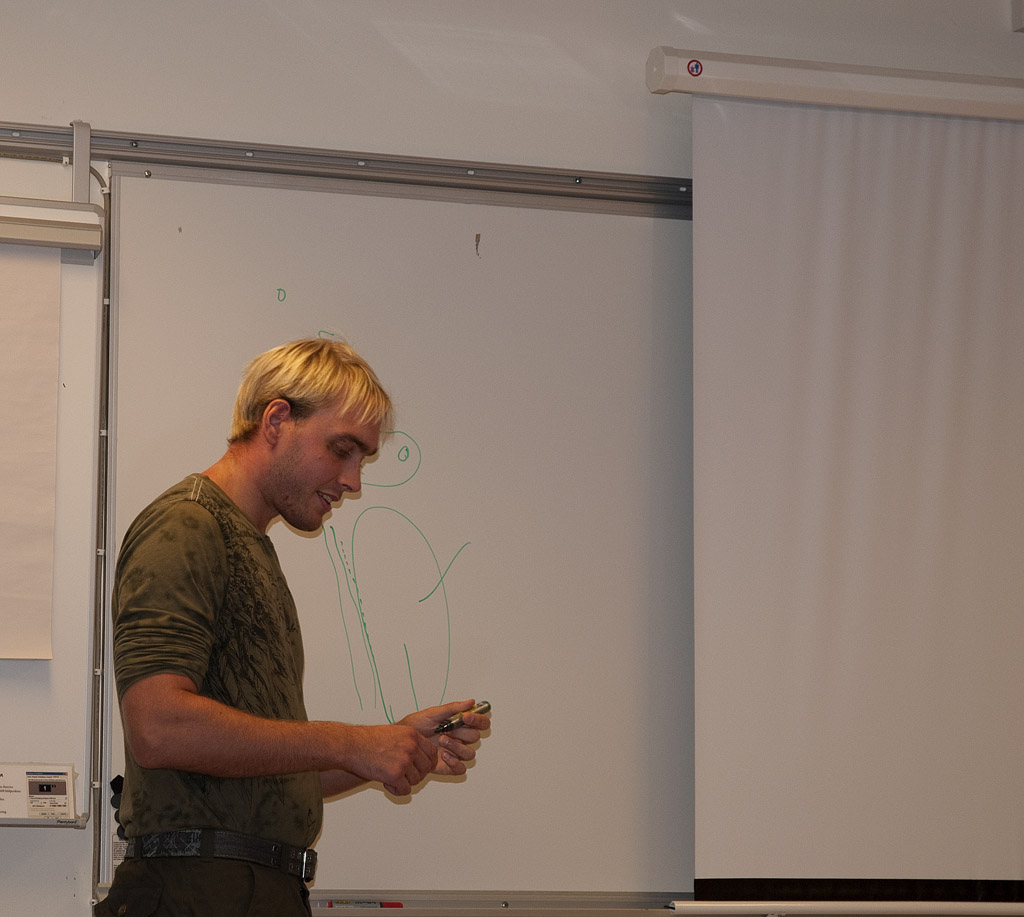





 Jonatan Borling