Otter census in Värmland

s2013-09-17-Maya-Lotta

Maya and Lotta from Klarälvdalens folkhögskola scan the area for places where the otters might have left signs.

For the past week I have been out working with otters in the county of Värmland. This is an annual census which we have been doing since 2002. The otter was previously in quite a severe situation mostly due to toxins and hunting and is now recovering.

This census is a cooperation between Länsstyrelsen i Värmland and Klarälvdalens folkhögskola. While it is a very thorough census, it is also a chance to practice practical survey techniques for the students of Natur- och faunavårdslinjen.

s2013-09-19-utterinventering1

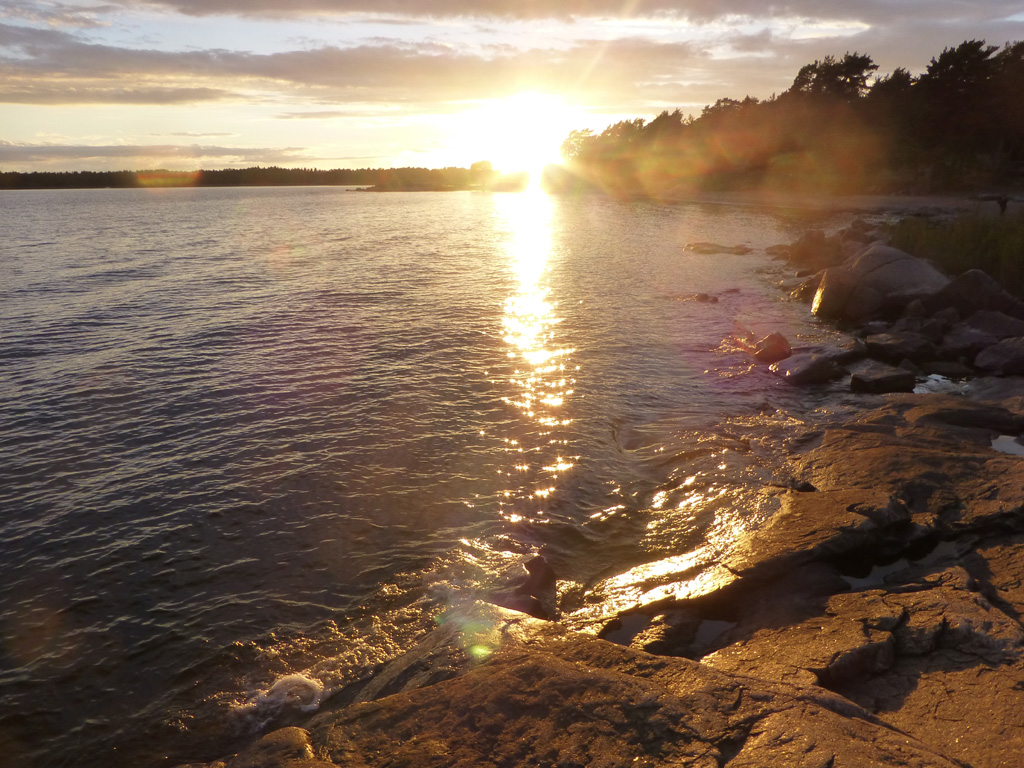
Vänern late one afternoon while out working close to Karlstad.

We are primarily looking for signs as in scats and pugmarks in sand or mud. The otter lives mostly off fish and hunts in rivers and lakes. While not defending territories they have what we call home ranges. While moving around its home range an otter will frequently go up on strategic locations and place a dropping there as a signal to other otters and as a way of communicating. The smell of these scats is quite unique and they smell almost sweet. This is what sets them apart from other similar droppings from mink and marten. Normally they also contain remains of fish.

Strategic locations to search are bridges over waterways and piers with rocks underneath on lakes. Otters prefer to place their scats on locations with overhang and preferably on rocks.

s2013-09-17-utterspillning

Otter feces are placed on strategic locations such as in this case on a rock underneath a wooden pier.

We were interviewed by both Nya Wermlands-Tidningen and Värmlands Folkblad. NWT published an article on 2013-09-20 and VF on 2013-09-21 and the latter was on the front page.

On exploring by foot

It is interesting how perspectives change. Before I got my drivers license I travelled everywhere by foot or by bike. I remember exploring areas near Stöllet and it took many hours to go to where I was going. As I got my license and car and started working all over Sweden the world has shrunk and the adventures of exploring have faded. It is a shame. The smaller adventures by foot are greater than those experienced on automated wheels.

Expedition Germany

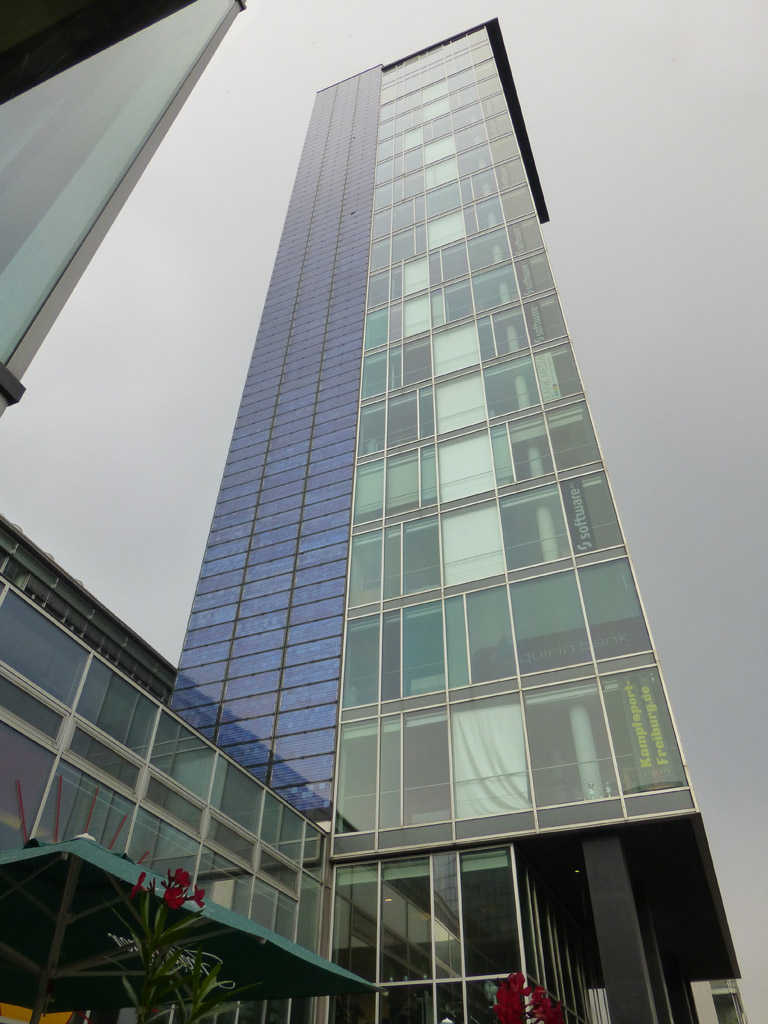
Freiburg is full of solar panels, including large scale constructions on some buildings.

Freiburg is full of solar panels, including large scale constructions on some buildings.

I came back home yesterday after an interesting trip to Germany. I visited Freiburg to see what makes the city green. A lot of solar power throughout the city as well as great greenery – even some bridges were covered in green – were things that impressed me. Trams for transportation, and some parts entirely free of cars were others.


Taking a one-day trip to Strasbourg in France I had a look at the European Union Parliament where the plenary sessions are held once a month. A lot of important decisions are taken within these walls. Last up to join the European Union is Croatia, which joined in July 2013.


The European Parliament in Strasbourg.

The European Parliament in Strasbourg.

After Freiburg and Strasbourg I visited Berlin and I saw the vegan athlete Patrik Baboumian score another Guinness world record lifting and walking ten meters with 555 kilograms on his shoulders. Some people claim that you do not get sufficient protein from a vegan diet, something that Patrik, being Germany’s strongest man, would possibly dismiss.

The vegan Patrik Baboumian lifts and walks ten meters with 555 kg on his shoulders beating the previous world record.

The vegan Patrik Baboumian lifts and walks ten meters with 555 kg on his shoulders beating the previous world record.

West coast expedition

s2013-07-24-Smögen1

The cliffs around Smögen are beautifully flat. For many hours a grand lightning storm entertained us shooting lightning strikes all across the sky.

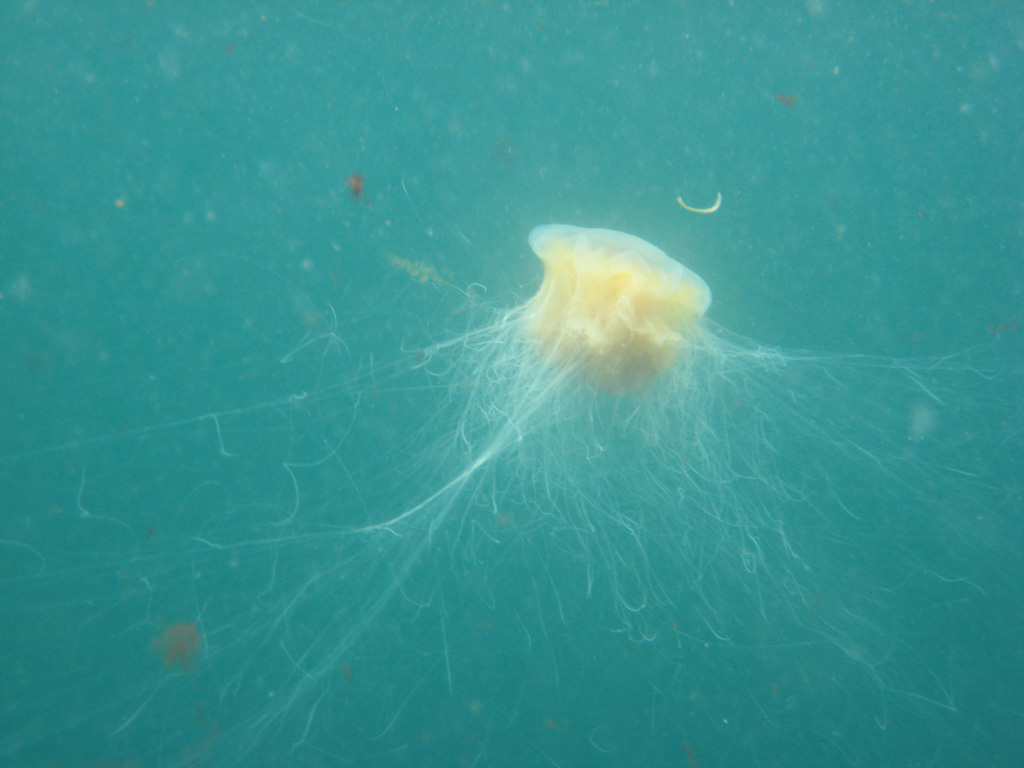
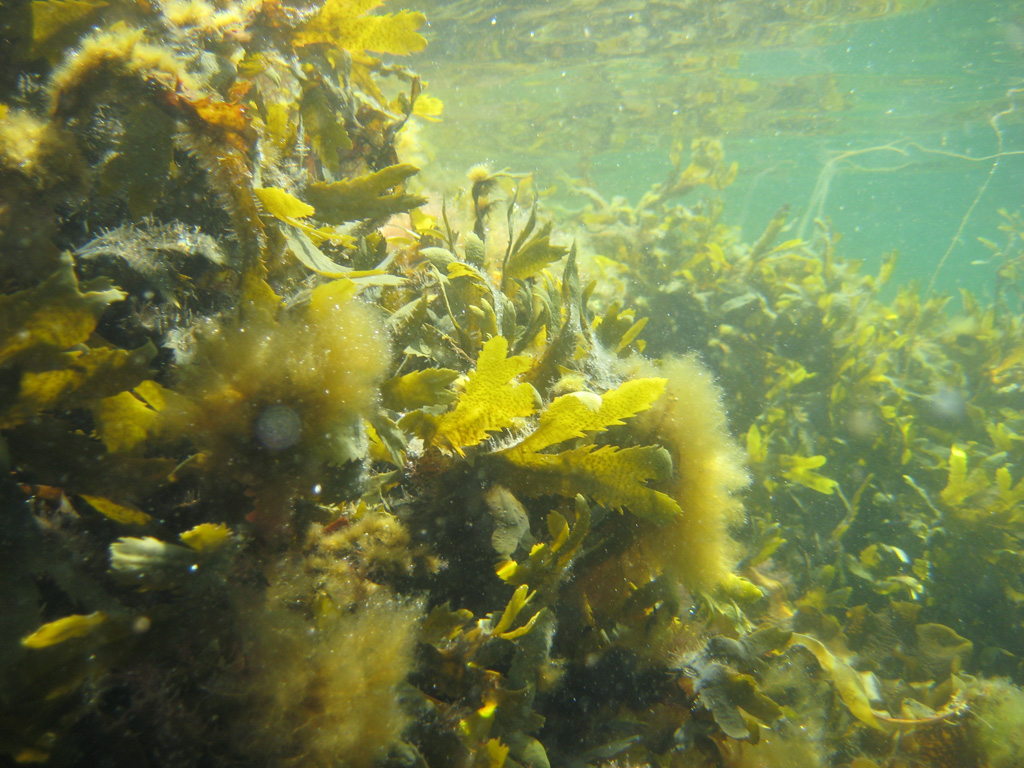
I have just gotten back from a three day expedition to the west coast in Sweden. I managed to catch a glimpse of a seal late one night and I snorkeled in the Atlantic Ocean trying out under-water photography. The waters were full of jellyfish and in particular the lion’s mane jellyfish, which is known to be the biggest jellyfish in the world. They are poisonous and I was only a few decimeters away from the dangerous tentacles while taking this picture.

Some years back, a national park, Kosterhavet, was set up to protect the only coral reef in Sweden. The reef has been under heavy pressure from large fishing boats ravaging the bottoms and killing the corals. The reef is far beneath the surface and is thus difficult to visit.

Now I am back home for a few days focusing on the work for the Swedish Society for Carnivore Conservation and other projects.

s2013-07-26-brännmanet1

The lion’s mane jellyfish is poisonous but seldom deadly. Its body can span two meters and some tentacles have been found to be 30 meters long.

s2013-07-26-undervattensfoto1

The area on the west coast of Sweden is rich in biodiversity. Seals, many species of birds, otters are frequently sighted here. Three weeks earlier a group of fisherment caught sight of ten orcas nearby here.

Last weekend I helped out building a carnivore-proof fence around the area of Tiveden National Park. This is much necessary as the wolf pack in the area have been sighted with five pups. Constructing carnivore-proof enclosures for domestic animals is one of the best ways of protecting carnivores and helping the people who might suffer economic losses and emotional headache from the presence of carnivores.

The field season of 2013

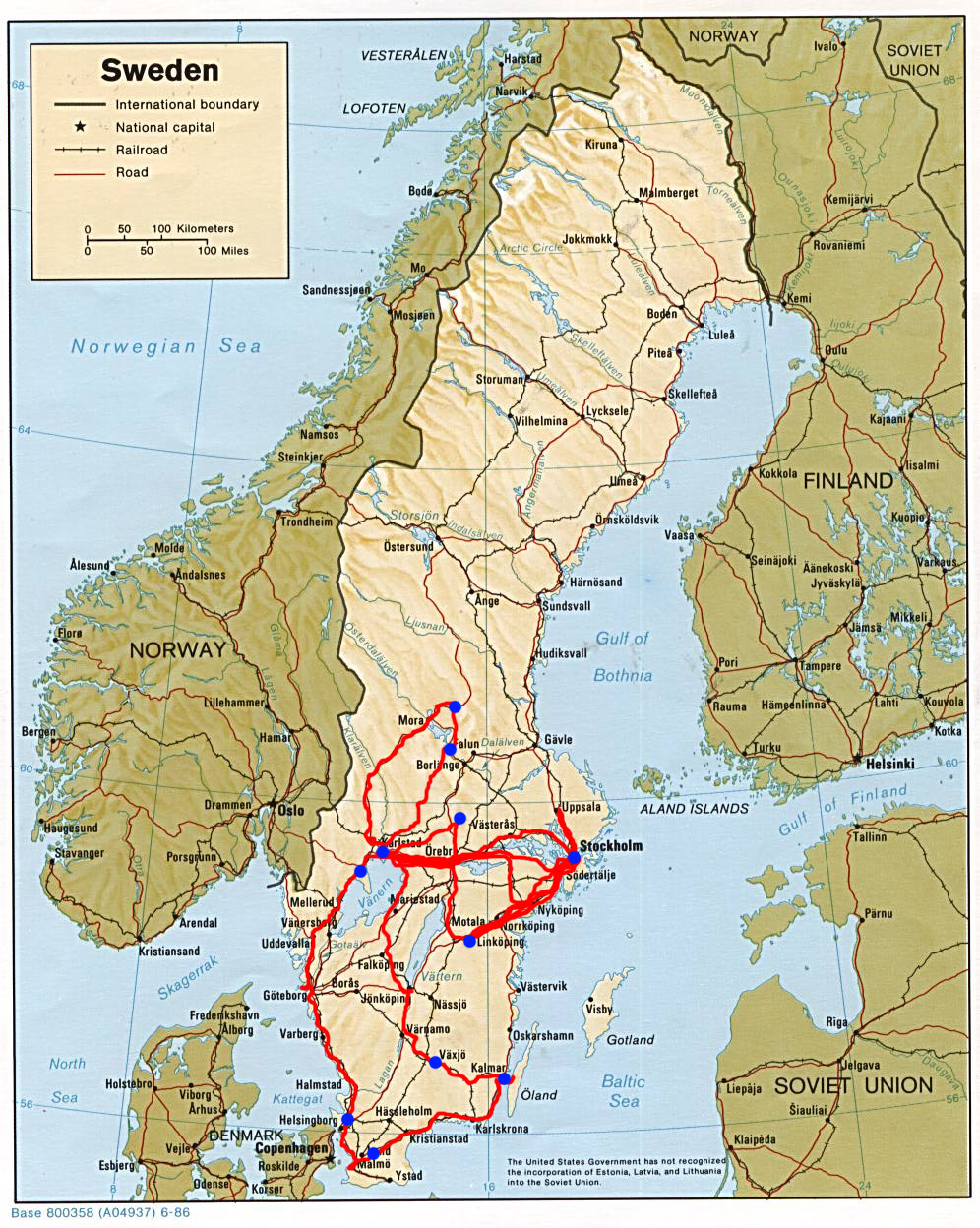
TField Season in 2013he big field season ended yesterday. It has been two and a half months of intensive traveling, working in the field, staying at many different places, going through the counties of Värmland, Örebro, Dalarna, Västmanland, Stockholm, Uppsala, Södermanland, Östergötland, Västra Götaland, Jönköping, Kronoberg, Kalmar, Blekinge, Skåne and Halland. The season was remarkably still as I mostly worked around Värmland and Stockholm.

Having two jobs and full-time studies at the same time proved to be a tricky equation. The season topped off yesterday as I came home from an awesome southern-Sweden expedition with visits to Växjö, Kalmar, Öland, Karlskrona, Malmö, Göteborg, Marstrand and, unvoluntarily, Säffle as my car held its last breath just as Karlstad was approaching. Now it is time to relax for a bit.

My year 2012

s8340 Jonatan ser snow leopard JF

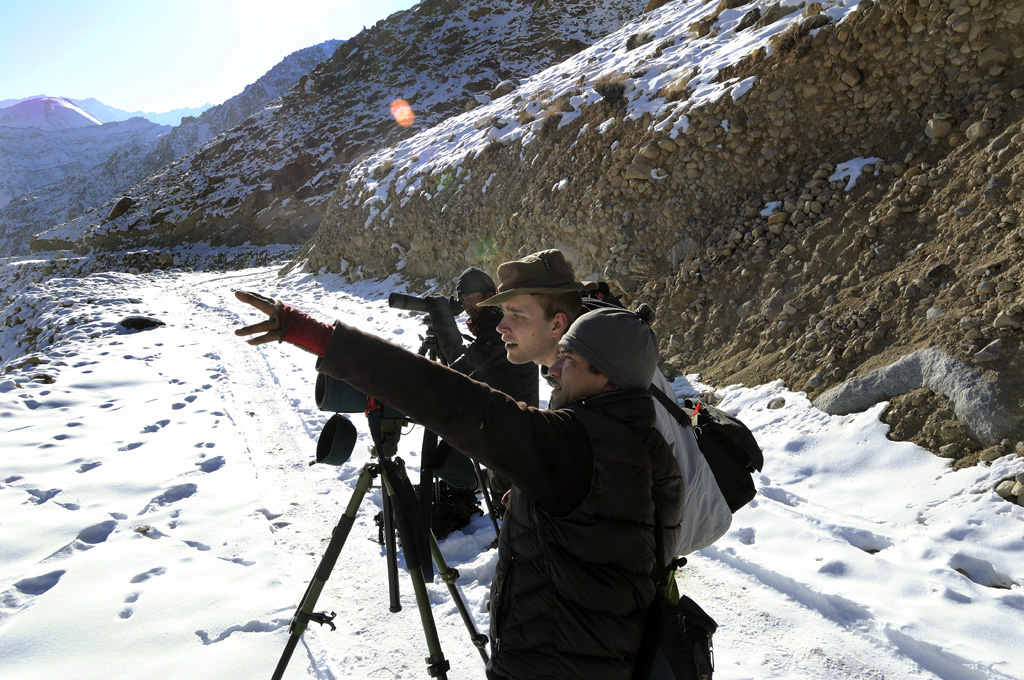
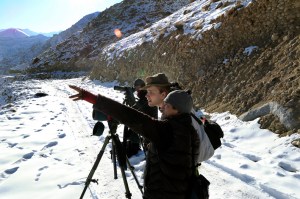
Jigmet Dadul from Snow Leopard Conservancy – India Trust points towards two snow leopards on the top of a mountain. Photo: Jan Fleischmann

The year of 2012 was very eventful. This is an attempt to summarize some of the things that happened in my life during last year.

2012 started out with me launching a blog, http://www.jonatanborling.com, which I use to write about my work with carnivore conservation and all the issues that are facing the living world.

I spent one week in Ladakh in India seeing snow leopard twice in the wild. I got a nasty altitude sickness so I had to cut the expedition short.

2013-02-25-Jonatan-Rovdjurssymposium

Värmlands folkblad interviewed me for the symposium Rovdjurssymposium – Framtiden that was arranged in Karlstad the 25 of February. Photo: Peter Bäcker/Värmlands folkblad

Together with author and photographer Jan Fleischmann I signed a contract with a publisher to write a book about the snow leopard.

As part of a deal, Madelene taught me how to use a snowboard. It turned out to be so much fun so we went another three times during the winter season.

I led the work of Naturskyddsföreningen Värmland with arranging the carnivore symposium Rovdjurssymposium – Framtiden which took place in Karlstad on 25 February. The symposium was covered by various media and I was interviewed by one of the regional newspapers.
s2012-07-06-Jonatan-inventering

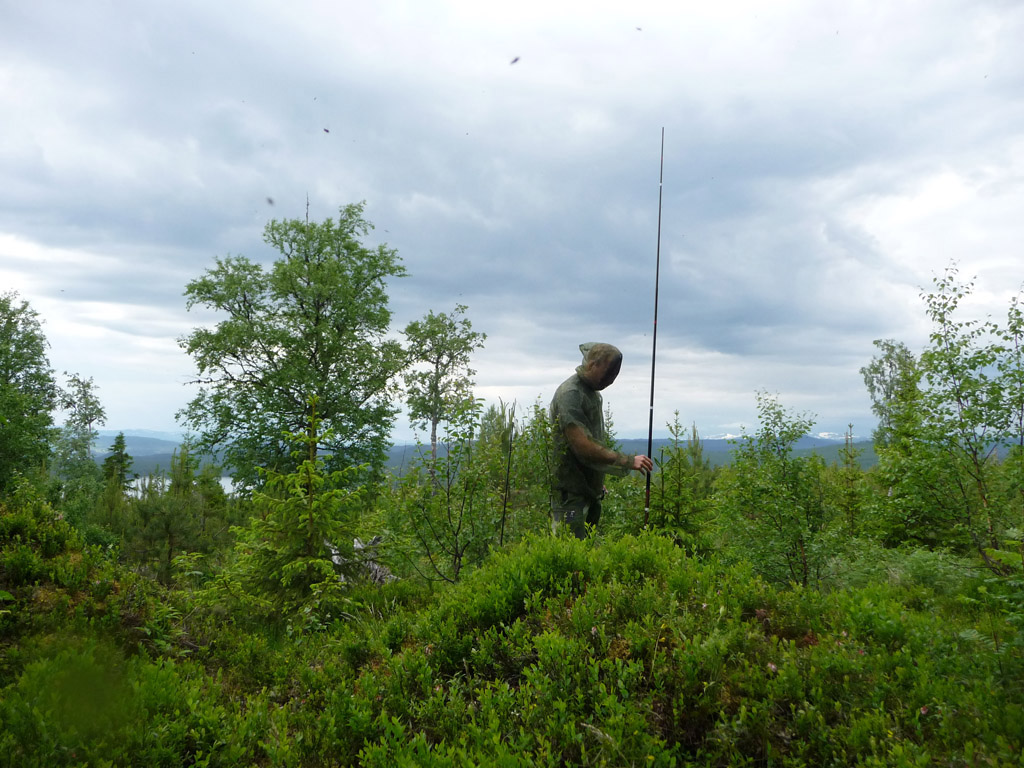
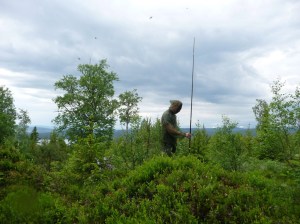
I worked with censusing wildlife and looking at how much moose forage on trees in May, June and July.

I worked on and off for two months in February and April with censusing lynx and other carnivores and doing a wildlife census on Forsmarks Kärnkraftverk, a nuclear powerplant.

I was elected onto the board of the Swedish Society for Carnivore Conservation, Svenska Rovdjursföreningen.

I wrote an article about the black-footed cat for the magazine Kattliv and an article about the Iberian lynx for the magazine Våra Rovdjur.

I took a course at Viltskadecenter in how to build carnivore-safe fences for domestic animals and helped to construct one in Gävleborgs län.
s2012-11-30-ICA-astrid-och-aporna2

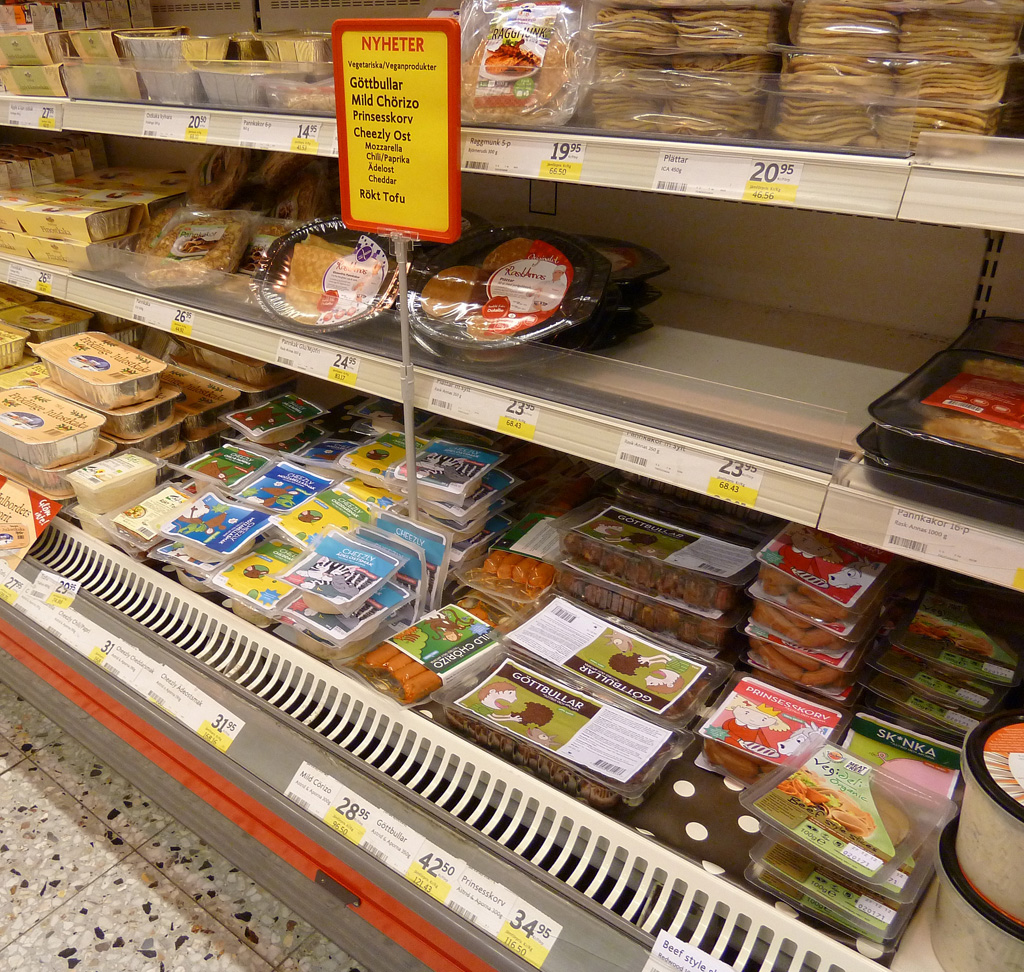
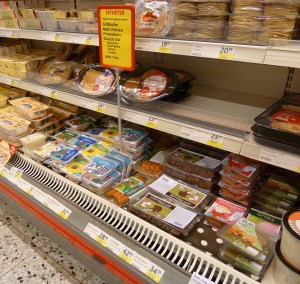
Several new vegan/vegetarian products came to Karlstad in 2012.

During a few days in Stockholm I visited what seems to be the only rooftop gardening project in our capital. The idea of the visit was to get more experience for my proposed rooftop gardening project in Karlstad.

In the big field season I worked for 54 days in May, June and July doing wildlife censuses and looking at how moose feed on trees. I concluded these intense months with the following words: “After two and a half months and 54 field days I have covered 1 122 kilometers with car, traveled through 16 out of 21 counties and lived in 10 different hostels, slept in tents, friends’ houses, canoed on rivers and lakes and seen tens of thousands of mosquitoes.”

My lovely friends Patricia and Christian got married in Sweden and arranged a fully vegan and ecological marriage. Also in the summer I tried water skiing for the first time thanks to Linda, I kayaked for two days in the Lurö archipelago in Vänern with Linda and Martin sleeping under the bare sky, and I canoed on the river Klarälven for three days with my friends Jimi and Nathalie.
s2012-10-26-Jonatan-styrrummet2

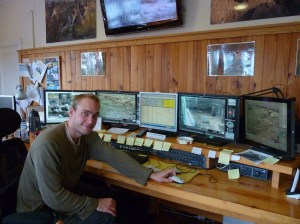
I am visiting the impressive El Achebuche breeding center for the Iberian lynx outside Doñana National Park in Spain.

After a more than one year hiatus I started training Brazilian Jiu-Jitsu (BJJ) and Mixed Martial Arts (MMA) again. These two sports are strangely addictive and just beyond exhausting. I often come home too tired to sleep.

I managed to improve the selection of vegetarian and vegan options in Värmland and Sweden by getting Konsum Värmland to import Fry’s Vegetarian’s products, ICA Maxi in Karlstad to take in vegan Christmas ham and later meltable cheezly, sausages, göttbullar and many more products.

Together with my friend Madelene I trekked on Sonfjället looking for bears. Although not seeing one, the scenery was breathtaking enough to make the trip worthwhile.

I traveled to Spain two times in the fall of 2012, snorkling in the Mediterranean, seeing Madrid, visiting Doñana National Park looking for the Iberian lynx and meeting the awesome people at El Acebuche Breeding Center for the Iberian lynx.

s2012-09-22-Jonatan-utsikt1

I trekked on Sonfjället in an environment that seemed unreal at times.

I held three lectures about carnivore conservation and lynx in 2012, one for the Swedish Society for Carnivore Conservation at Nordens Ark, another for the Swedish Society for Nature Conservation in Gävleborg and the third for the wildlife and tourism students at Klarälvdalens folkhögskola.
s2012-12-18-tiger5-ed1

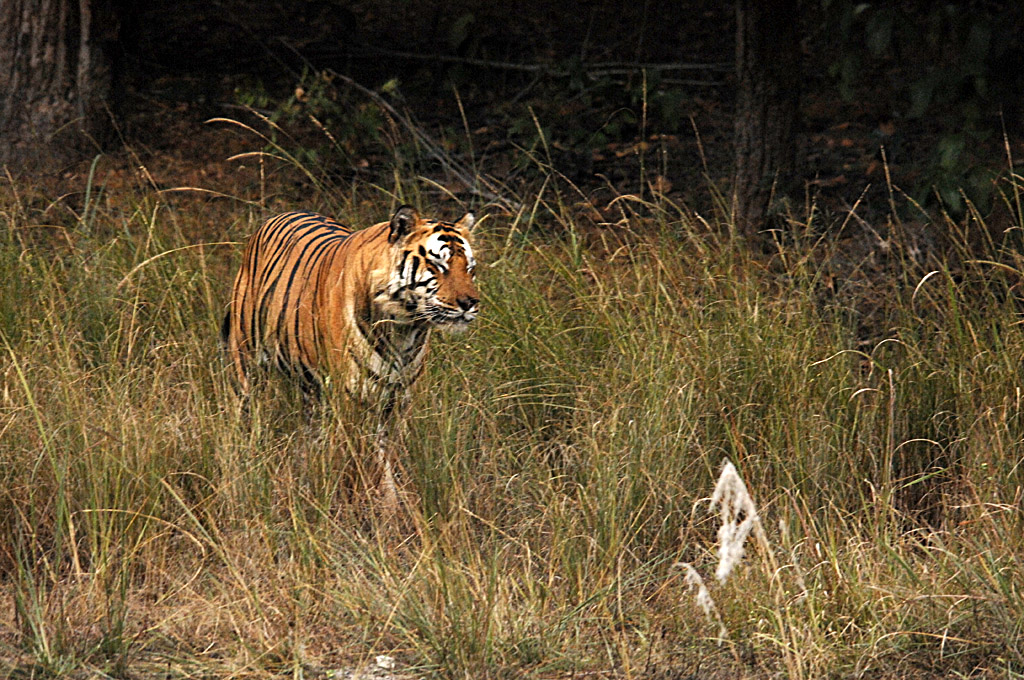
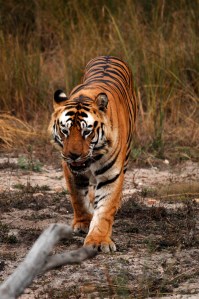
I saw the Bengal tiger in Bandhavgarh National Park.

At the end of 2012 I set out on a five and a half week expedition to India to learn about the grand country’s culture, nature and people. During this time I saw Bengal tiger, jungle cat, Asiatic lion, Asiatic elephant in three differrent national parks, enjoyed the beaches of Goa, the tranquility of Diu and the intensiveness of Delhi, Agra and Varanasi. The trip continued into 2013.

Thank you all the beautiful people who are my friends! ❤
s2012-12-31-Asiatisktlejon3

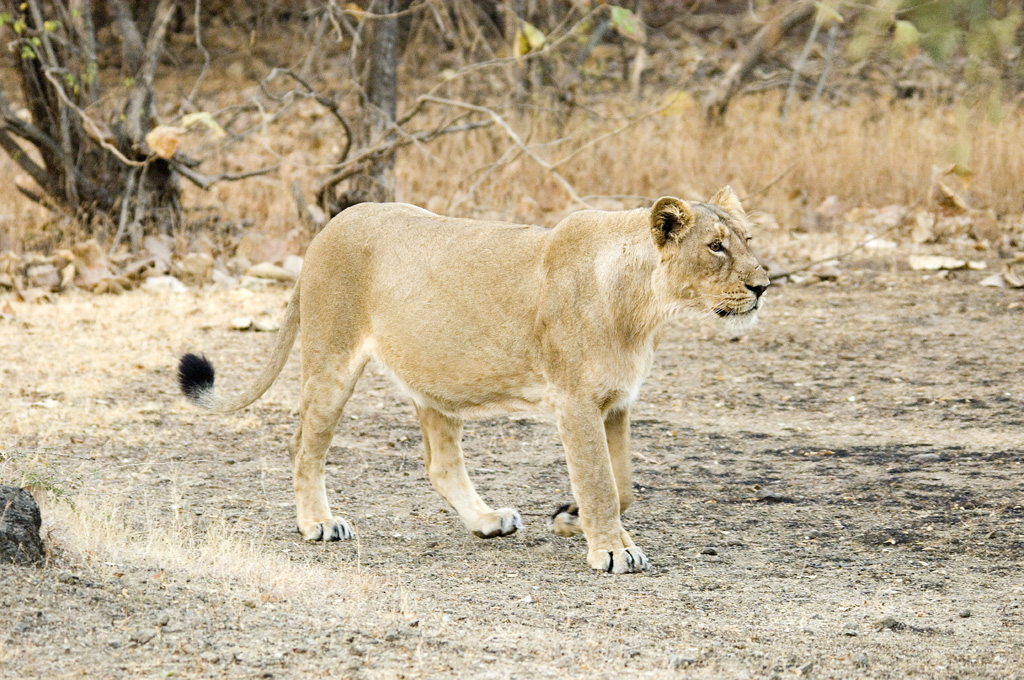
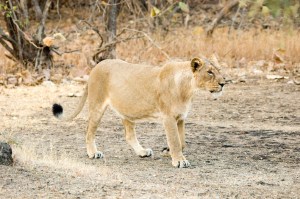
A female Asiatic lioness has just gotten up after her daily rest in Gir National Park.

Expedition India Part 2 (pictures)

s2012-12-29-tågresa-Junagadh

Traveling from Goa to Gir via Ahmedabad

Continuing the five and a half week expedition we grab a local bus from Arambol to the city of Mapusa and another bus from there to the city of Thivim. We have a few hours of wait there before our train leaves and we say good bye to the former Portugese colony of Goa.

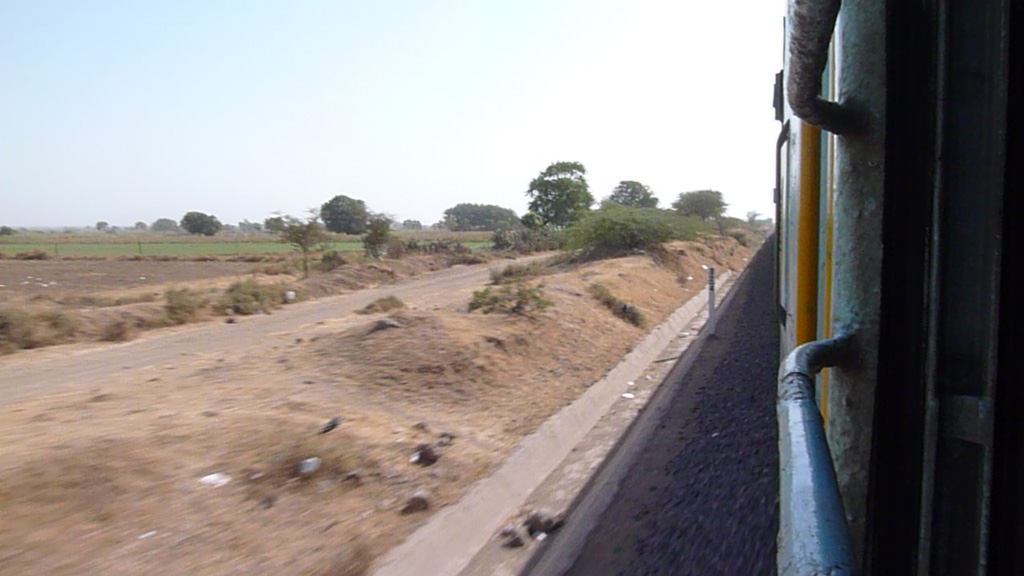
We head north, and this time we have 2AC seats/beds which are more luxurious than the Sleeper Class seats we have had before. The train takes us to the city of Ahmedabad where we change trains to go westwards into the state of Gujarat. We pass by Rajkot and get off at the city of Junagadh where we grab a more-than-usual overcrowded bus which takes us to Sasan Gir.

Sasan Gir is the entry port to Gir National Park, the home of the last remaining Asiatic lions (Panthera leo persica) in the wild. Earlier, you could find lion from Greece up to central India but they were killed off by humans and now only about 400 are left in the Gir Sanctuary. Spending two and a half days in Gir we are lucky enough to see a total of five lionesses of the subspecies. So far in India I have managed to see tiger, jungle cat and lion which is pretty good considering that I have only been one full day at Bandhavgarh and one and a half day of safaris in Gir.

s2012-12-31-Asiatisktlejon10

We saw five Asiatic lions in Gir National Park.

After having an early morning safari seeing various birds and crododiles we grab a three hour local train where we meet a very nice Gujarati family. I gave them some mints and in return I got peanut candy. We get off at the final stop and grab a rickshaw to the former Portugese island colony of Diu. Diu is an amazing shift from the normally overcrowded Indian cities. For the first time in India I see a clean street completely empty of people. The temperature is a good 20-25 degrees Celsius which is much more humane than Goa where we averaged 30-35 degrees Celsius. We visit the fort in Diu and stroll around on the streets looking at things and studying the different Portugese-inspired architecture. On the third day we have a nice bath in the Indian Ocean and practising some Brazilian Jiu-Jitsu on the beach.

We take a local bus to the city of Veraval. In Veraval we grab a train back to Ahmedabad and on from there far north to Haridwar and then on to Rishikesh. The whole journey takes two full days.

s2013-01-02-Josefine-fortet

Josefine by the fort in the former Portugese colony of Diu.

Rishikesh is known to be the yoga center of the world and even the Beatles came here to an ashram. The city is located at the foot of the Himalayas with the holy river Ganges running dividing it in two. The temperature is chilly and nights are cold. I am happy that I brought my long underpants from back home. One day we bathe in a waterfall and walk up a steep high mountain to have a great view over the rivendell.

On the fourth day we grab a local bus which takes us to the small village of Chilla which is the entry port of Rajaji National Park. We have a very cold afternoon safari in the national park seeing Asiatic elephant, several kingfishers, vultures and many other animals. Our hopes were to see the elusive leopard but, alas, we were not so fortunate. Catching another local bus we get to Haridwar and spend four hours at a restaurant drinking tea and playing cards before our train arrives that will take us back to Delhi.

s2013-01-06-Rishikesh1

Rishikesh is known to be one of the yoga centers of the world and is beautifully placed at the foot of the Himalayas.

Coming back to Paharganj in Delhi, where our five and a half week journey started, is an odd feeling. Having learned so much about the country, its religions, its people, its culture and how everything works (and not works), we feel like experienced backpackers carrying more than the items we have purchased in our rucksacks.

In the last two days in Delhi we, by chance, come across the oldest Jain temple in Delhi. Taking our shoes off and making sure we carry no animal products, we enter the temple. Jainism is a fascinating religion which is strongly anti-violence and for equal treatmens of all animals. The followers are all pure vegetarian meaning that not only do they skip meat but they do also not eat egg. Some followers promote veganism. We meet a very nice couple at the temple and they show us around in even the most inner parts including the meditation room and a bird hospital in the temple where they save birds that have been injured in Delhi’s immelse traffic and by the countless ceiling fans in buildings. Everywhere in India you see a lot of swastikas, the infamous symbol used by Nazi Germany almost a century ago, but in India this symbol has a much more peaceful meaning, and Jainism uses the symbol as their “logotype”.

s2013-01-08-sambar1

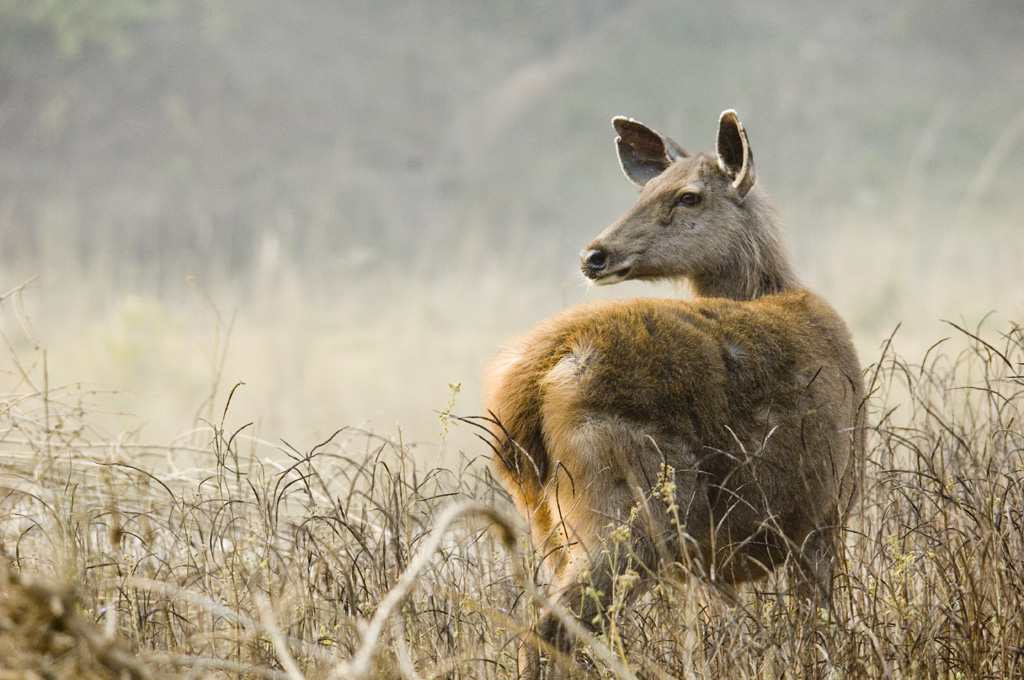
We spotted a sambar deer in Rajaji National Park.

One day we visit the amazing Lotus Temple – Bahai House of Worship. The Bahai Faith is a new world religion which sees all the religious messangers as part of the same great whole so in the Lotus Temple all religions are allowed. We also pay visits to the Red Fort and stroll around in the amazing bazaars in Old Delhi, where some shops are only large enough to barely fit one person.

India is everything and much more. It is intense. The smell of incense, urine, cow dung, food and spices mix with the constant sounds of cars, rickshaws, bicycles, people talking, chatting, screaming, selling things and dogs barking and howling. There are people in just about any corner of the street you look and you are lucky if you can cross the street without being hit by anything in the first few days. At first glimpse all the food served has the traditional masala curry but after a while you start seeing all the small food stands which sell food that you could never have imagined existed.

s2013-01-09-Jonatan-lotustemple1

Jonatan by the Lotus Temple – Bahai House of Worship in Delhi.

The majority of the population is vegetarian and seeing meat in the menus of restaurants is a rare sight. Being vegetarian in India comes without saying because you would think twice about eating any of the meat being served anyway. Being vegan in India is a little bit more tricky because a lot of food comes with milk, cheese (paneer) or butter (ghee). Most people in cities speak English to some degree but sometimes it is very difficult explaining that you do not want animal products in your food.

All in all, traveling India has been an amazing experience.

s2013-01-10-Jaintemple1

This is the Jain temple that we visited in Delhi and we were lucky to be shown around throughout the temple and its bird hospital.

To top it all off, we stayed at one full day, between airplanes, in the richest country in the world – Qatar, and its capital Doha. Strolling around huge skyscrapers and unnecessarily large four-by-fours and Porches could not have produced a larger contrast. The entire country is based around oil and gas money and in one mall there is both an ice hockey rink and a large amusement park – inside the mall building!

s2013-01-10-Paharganj

Paharganj in Delhi is situated just next to New Delhi railway station and you need not walk more than ten meters to encounter the first guest house. Beware of the many scammers here.

It feels good to be back in the cold winter of Sweden where the white snow lightens up the every-day life.

Expedition India Part 1 (pictures)

s2012-12-08-indiskt-bröllop

We were invited to a large Indian wedding in Agra where we were at the center of attention.

On 4 December I set out on a five and a half week journey in the land of tigers, Hinduism and vegetarians to learn more about the culture, the people and the animals. Enter India. My awesome travel companion for the trip is Josefine.

The expedition started in Delhi where the intensive Paharganj took us by storm and we managed to avoid the first scams thrown at us by the infamous rickshaw drivers and their packs. The incredible bazaars at Chandni Chowk in Old Delhi were a marvel and entire streets were designated only for sarees or cloth and some stores were only big enough to barely fit one person sitting while others were combined sleeping quarters for entire families. Getting a train ticket in India turns out to be a benefit and the que to the tourist ticket counter took us on an interesting three hour wait where we got quite familiar with our que-buddies.

OLYMPUS DIGITAL CAMERA

The Taj Mahal in Agra is a beautiful building and in the three hours we spent there we had about 50 portraits taken of us by various Indians.

We traveled south-east to the city of Agra where we were at the center of attention at a big Hindu wedding. The party and adjoining parade was hard to miss and was heard throughout the city. We were almost constantly surrounded by between ten to twenty people at the wedding taking pictures with us, wanting us to dance or just shaking our hands and wanting to chat. A visit to the grand Taj Mahal didn’t only let us see the majestic building but we also got the opportunity to pose for more than 50 portraits of men and entire families. Be tourist and be blond and you are sure to have a group of either men or old women with children come up to chat or take pictures of you once every other minute. We also glimpsed the more impressive Agra Fort while in Agra. Via Lucknow we later headed further east i into the vast country.

s2012-12-11-Indisk-snabbmat

We stopped in Lucknow to change trains and had some fast food at the train station. This food (or more probably, the water) later made me ill.

“She was both my wife and my friend” an Indian man in his fourties tells me as we watch the corpse of his wife burn at one of the Ghats in Varanasi. The Ganges, and especially in Varanasi, is the holiest place for a Hindu to be buried. His 25 year old wife was one of more than a hundred corpses being burnt that day. Seeing this end-of-life cycle has been one of the strongest impressions left on me during this expedition.

s2012-12-12-Josefine-Varanasi

Josefine at the hotel by the river Ganges in the holy city of Varanasi.

Varanasi is known to not be for the faint-hearted and I quickly realised why. The pressing smell of urine everywhere, incense, cows, dogs, cow poo, food being cooked on the streets, beggars and other scammers wanting your money, corpses being burnt at the ghats (a ghat is a stairway to the Ganges) and people just about everywhere are just some of the things that makes this city special. Out of all places in India, Varanasi is the place where you do not want to get your stomach ache. In short, mine came just as the train closed in on the city. Not getting a stomach ache in India is something as unknown to tourists as are honest rickshaw drivers. Likewise it is one of the daily topics discussed with most other foreigners and travel companions. Luckily I was able to recover quite quickly from the worst illness.

s2012-12-15-Roddtur-Ganges1

Early one morning we took a boat trip on the river Ganges in Varanasi seeing people bathing and washing their clothes.

After dusk the nighly dew slowly breezed in over the city. We rarely had more than 20 degrees in daytime during our stay. After a few days in the holy city we jumped on a train south.

“Tiger! There is a tiger!” our guide bursts out. We are in Bandhavgarh National Park. First sneaking up behind a large stork the big Bengal cat then prawls past our jeep just a few meters away. The Bengal tiger is one of five subspecies that have managed to survive, four others perished in the 20th century, the Bali, Javan, Caspian and South China subspecies will never be back. Even the remaining subspecies are likely to die out in the coming 30 years since they are poached for the traditional Chinese medicine industry and their natural environments being ever-encroache upon by industries. The park also offered the hard-to-see jungle cat as well as the barking deer, sambar and spotted deer. Yes, the big tiger is a marvel to behold and you might want to try to see one in the wild before they disappear altogether.

s2012-12-18-tiger2

A big male Bengal tiger walked past us four meters from the jeep in Bandhavgarh National Park.

Next stop was Mumbai where we got a chance to see the city for our nearly full stop there. We visited the home of Mohandas Gandhi and a Jain temple. The Jain religion is known for being pure vegetarian and anti violence plus for equal treatment of all living beings.

sP1060733

We visited a Jain temple in Mumbai.

Spending a cold and noisy night on an AC Volvo bus driven by a crazy driver (or possibly the standard of the Indian roads) we finally reached the vast beaches of Goa in the country’s west coast. Spending a full week in Goa’s Arambol Beach was a warm and relaxing experience with people playing drums on the beach, practicing poi and good and varied food. I tried out surfing for the first time and other than this it was mostly a good and relaxing experience (save for Christmas Day when our beachside hotel decided to have a trance party until 3 am). Everybody in Arambol greeted me with “Privet!” and for some reason though I am Russian (the beach seems to be very well-visited by Russians and a lot of store-owners have even learned to speak the language).

s2012-12-28-poitjejsolnedgång1

A girl practices her poi as the sun sets over the endless beaches in Goa.

After having been soaking warm for a week we got up early in the morning to take an overcrowded bus to continue the adventure.

This page is updated with pictures 2013-01-26. Please see part 2 of the adventure.

The past week

Last weekend I partook in a course in sustainable leadership organized by the Swedish Society for Nature Conservation. I went on to Orsa to interview Pernilla Thalin, who is the animal care manager at Orsa Björnpark, about their work with snow leopards. Yesterday I visited the Museum of Natural History in Stockholm to take pictures of snow leopard pelts for the snow leopard book.

I enjoy travelling and in the past week I have been more on the road than I have been at home, travelling to Malmö, Orsa and Stockholm.